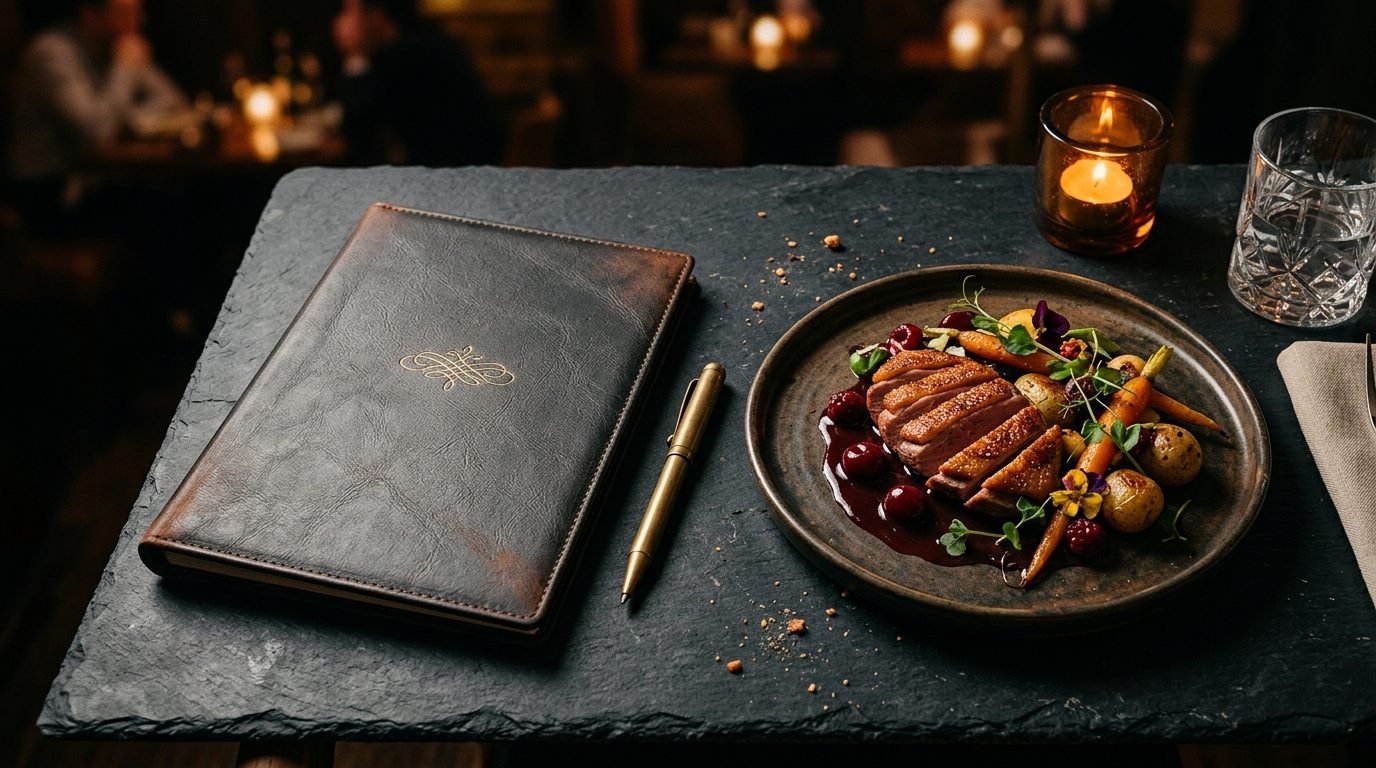
Ask most restaurant owners where profit is made and they will point to the kitchen. In reality, much of it is decided on paper — in the structure, pricing and psychology of the menu itself. Menu engineering is the disciplined process of analysing every dish for both popularity and profitability, then designing the menu so the right dishes win.
The Two Questions Every Dish Must Answer
Professional menu analysis plots each item on two axes: how often it sells, and how much margin it contributes. Dishes that are popular and profitable are protected and promoted. Popular but low-margin dishes are re-costed, re-portioned or re-priced. High-margin dishes that guests ignore are repositioned through naming, description and placement. And dishes that fail both tests are removed — however sentimental the attachment.
Standardisation Is the Foundation
None of this works without recipe standardisation. If three cooks prepare the same dish three ways, your food cost is a guess. Standardised recipes, portion controls and preparation SOPs turn the menu from a creative document into a financial instrument — one where every plate carries a known, controlled cost.
Design Nudges That Protect Margin
- Strategic placement of high-margin signature dishes in high-attention zones
- Descriptions that sell craft and provenance rather than discount
- Portion and garnish engineering that protects plate cost without shrinking perceived value
- Seasonal rotation that follows ingredient pricing, not just fashion
Our culinary consultancy team has engineered menus across fine dining, QSR, cafés, food courts and institutional catering. The pattern is consistent: restaurants rarely have a sales problem first — they have a menu problem.
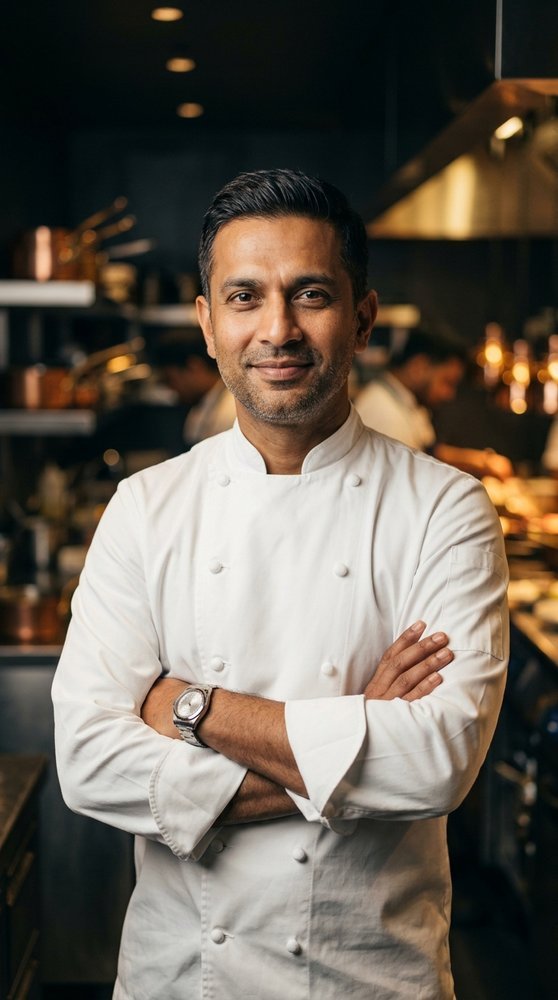
Chef Saurabh Tyagi
An accomplished Culinary Consultant with more than 18 years of international hospitality experience across luxury hotels, aviation catering, cruise lines, fine dining restaurants, QSR brands, institutional catering and cloud kitchens.
View ProfilePlanning a Hospitality Project?
Our consultants in Delhi and London work with restaurants, hotels, cafés, bars and cloud kitchens — from first concept to successful launch.
Book a Consultation